Lately, more folks have been leaning into Pilates as a great way to get a balanced workout. The right Pilates gear can really make a difference and boost your experience. Doing it at home is super convenient and flexible—no need to hit the gym every time. But, honestly, picking out the right equipment can feel a bit overwhelming.
There are quite a few options out there that claim they’ll help you see better results. From reformers to resistance bands, these tools can totally elevate your routine. That said, not everything out there is top quality, so it’s important to find pieces that fit your needs. Also, think about your space and how much you're willing to spend. Sometimes, a simple yoga mat or a few small accessories do the trick and are surprisingly effective.
While you’re digging into Pilates Equipment At Home, it's easy to get stuck wondering what to actually buy. Let’s be real—one size definitely doesn’t fit all. Plus, your personal preferences really matter here. Expect to try out different gear and see what clicks. This whole process might even lead you to discover new things about how you like to work out and what really keeps you motivated.
The Importance of Pilates Equipment for Home Workouts
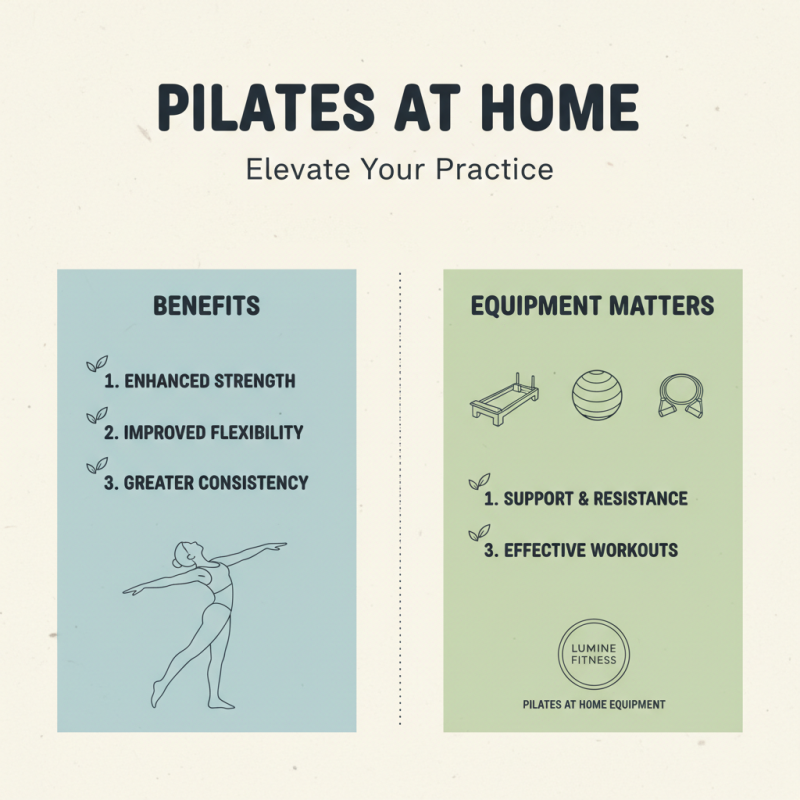
Pilates is a fantastic way to enhance strength and flexibility. Having the right equipment at home can elevate your practice. Many people struggle with consistency when doing Pilates at home. Investing in good Pilates At Home Equipment can make a difference. It offers support, resistance, and variety, making workouts more effective and engaging.
When choosing equipment, consider your space and needs. A mat is essential for comfort and stability. A reformer can add resistance, but it requires more space and investment. Resistance bands are versatile and easy to store. An exercise ball can improve balance and core strength. Each tool has the potential to enhance your experience.
Tips: Start with the basics. A strong foundation can lead to greater success. Focus on form, not on the number of reps. It’s okay to struggle at first. Acknowledge your progress, even if it feels slow. Sometimes, the equipment may intimidate you. Don't let that hold you back. Embrace the journey of learning and improving your Pilates practice at home.
Key Benefits of Using Pilates Reformer for Strength and Flexibility
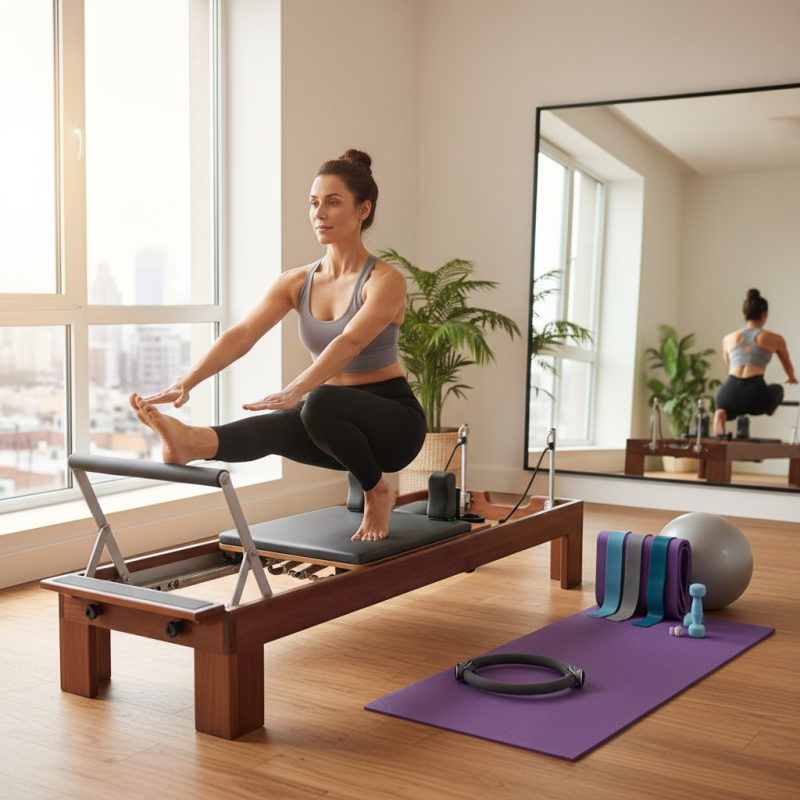
Pilates reformers are popular among home workout enthusiasts. These machines offer a unique way to enhance strength and flexibility. They come with springs and straps that add resistance, allowing for various exercises. This versatility is essential for both beginners and advanced users. You can perform a wide range of movements, targeting different muscle groups effectively.
Using Pilates reformers can lead to improved posture. Many people struggle with alignment due to long hours of sitting. By incorporating this equipment into your routine, you can increase awareness of your body’s position. Additionally, the reformer helps to strengthen core muscles, which is fundamental for stability. However, achieving the right form can be challenging. It often requires guidance and practice to maximize benefits.
Flexibility also sees notable improvements with reformer workouts. Standing up after a long day can become less painful as your muscles adjust. Many find that they can reach greater ranges of motion over time. Yet, it's easy to overestimate progress. Milestones may feel slow, leading to moments of discouragement. Embracing these imperfect aspects of fitness is key, reminding us that growth takes time. Investing in Pilates Equipment Fitness can transform your home workouts.
Top 3 Pilates Equipment: Comparison of Price and Performance
When it comes to effective home workouts, having the right equipment can make a significant difference. The top three pieces of Pilates equipment worth considering include reformers, mats, and resistance bands. Each offers unique benefits and varying performances.
Reformers provide significant versatility, allowing for various exercises targeting different muscle groups. However, they can take up space and require an investment.
Mats are essential for any Pilates routine. They provide cushioning and support for your body. A good mat can enhance comfort and improve your practice. Still, thickness and material can impact your experience. You might find an overly thick mat can disrupt balance.
On the other hand, resistance bands are portable and affordable. They can intensify workouts and help build strength, but they may lack the stability a reformer offers.
Comparing price and performance reveals some trade-offs. Reformers are generally pricier but yield great results. Mats and bands are cheaper but require proper technique to maximize benefits. Each option can help you reach your goals. However, personal preferences and available space play crucial roles in your decision-making. You might need to try different pieces of equipment to determine what truly works for you.
How Stability Balls Enhance Core Strength in Home Exercise
Stability balls have gained popularity in home workouts. They offer unique benefits, especially for core strength. Research indicates that core stability is crucial for overall fitness and injury prevention. A study found that training with stability balls can improve core strength by up to 46%. This includes better posture and balance.
Using a stability ball challenges your muscles in different ways. When incorporated into exercises, it adds an element of instability. This requires your core to engage more effectively. Many people underestimate the importance of balance during workouts. Balance and stability are foundational for strength training. Incorporating them into routines with Reformer Pilates Equipment can enhance results.
However, many users find stability balls difficult to master. It takes time to develop proper form and confidence. Beginners often wobble, which can be discouraging. Regular practice is essential to build strength. It is important to adjust expectations and recognize progress over time. With consistent effort, the improvement will manifest in better core stability and overall workout efficiency.
Resistance Bands: Affordable Options for Effective Pilates Training
Resistance bands are a fantastic addition to any Pilates practice. They are compact, affordable, and versatile. You can easily use them at home. These bands come in various resistance levels, making them suitable for beginners and advanced practitioners alike. You can perform a range of exercises, targeting multiple muscle groups.
While resistance bands are effective, they are not a cure-all. Proper form is crucial. Many users struggle to maintain their alignment while using bands, which can lead to injury. It’s important to focus on engaging the core and controlling movements. Investing time in practice will help refine technique.
Moreover, resistance bands do not replace traditional Pilates equipment. They can enhance your workout but shouldn’t be your only tool. Mixing bands with bodyweight exercises can amplify results. Experimenting with different resistance levels keeps the workouts challenging. Embrace the journey and find what works for you. There’s always room for improvement.
The Role of Pilates Rings in Resistance and Balanced Workouts
Pilates is gaining popularity worldwide, with studies showing a 12% increase in participants over the last three years. A key component of many routines is the Pilates ring. This simple tool enhances resistance and engages multiple muscle groups effectively. When used correctly, it helps improve strength, flexibility, and balance.
Many people underestimate the power of Pilates rings. They add intensity to standard exercises. For example, when squeezing the ring between the legs, users activate their inner thighs and core. Reports indicate a 30% increase in core activation using a ring compared to traditional movements. Integrating such tools into workouts can bring noticeable changes. However, not everyone uses the ring properly. There’s a learning curve that beginners often overlook.
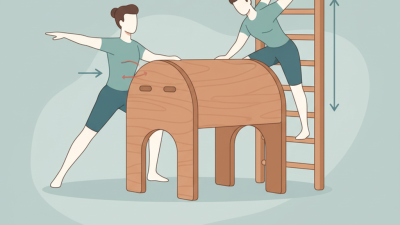
Alongside the ring, incorporating Pilates Ladder Barrel Equipment can also deepen workouts. It provides a unique way to stretch and strengthen the spine. Yet, many individuals find it daunting. This equipment requires proper form and understanding. It’s crucial to approach it mindfully to avoid injury. Engaging with trainers for guidance can help demystify its use. Respecting personal limits is fundamental for a safe practice.
Guidelines for Choosing the Right Pilates Equipment for Beginners
When choosing Pilates equipment, beginners should focus on essential tools that are easy to use. A mat is crucial. It provides cushioning and grip for various exercises. Look for a mat that is thick enough to protect your joints. A good-quality mat can enhance your comfort and stability during workouts.
Next, consider resistance bands. They are versatile and great for strength training. Resistance bands come in different levels. Starting with a lighter band is wise; it allows you to build strength gradually. Additionally, a Pilates ring can help tone your muscles. Using a ring in workouts challenges your body in new ways, promoting effective results.
Many beginners feel overwhelmed by choices. It’s okay to start simple. Focus on a few key pieces of equipment. Experiment with what feels right for your body. Don’t rush into buying everything at once. Reflect on your progress and adjust as needed; it’s part of the journey.
Enhancing Pilates Practice: The Impact of Spine Correctors on Posture and Core Strength – Insights from the 2023 Global Fitness Equipment Market Report
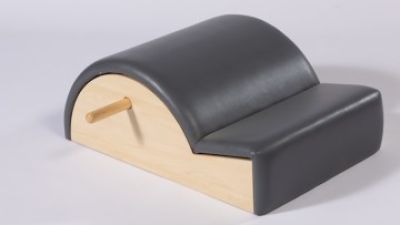
The integration of spine correctors into Pilates practice plays a critical role in enhancing posture and core strength. As outlined in the 2023 Global Fitness Equipment Market Report, these specialized tools are increasingly valued by fitness enthusiasts, physiotherapists, and those engaging in home workouts. The design of a Pilates spine corrector, like the LM40 model, aims to promote effective spinal alignment, ensuring that users can optimally engage their core muscles while performing various exercises.
Pilates spine correctors provide an innovative way to address imbalances in posture often caused by sedentary lifestyles. By integrating this equipment into routines, practitioners can focus on alignment and strength-building. The results are twofold: users not only experience improved core stability but also notice a marked enhancement in overall posture. Moreover, the versatility of spine correctors allows for a wide range of exercises aimed at different muscle groups, catering to both beginners and advanced practitioners alike. In the evolving fitness landscape, the significance of these tools cannot be overstated as they contribute to a more holistic approach to physical well-being.
FAQS
: The articles discuss various aspects of lifestyle and wellness.
Focus on small changes. Start with hydration. Drink more water daily.
Staying active boosts energy. It improves mood and overall health, too.
Try mindfulness practices. Deep breathing exercises help. Nature walks are restorative.
Sleep affects mood and focus. Lack of good rest can lead to poor decisions.
Balance is key. Include fruits and vegetables. Limit processed foods when possible.
Set clear goals. Track progress. Celebrate small victories, but reflect on setbacks.
Staying hydrated is vital for energy levels. It also supports cognitive function.
Practice communication. Show appreciation regularly. Strive to listen more than speak.
Identify what went wrong. Understand your feelings. Adjust your approach for next time.
Conclusion
Pilates equipment plays a crucial role in enhancing the effectiveness of home workouts. Utilizing tools like the Pilates reformer can significantly improve strength and flexibility, providing a versatile platform for a variety of exercises. Stability balls, resistance bands, and Pilates rings are also essential components that contribute to core strength, affordable training options, and balanced workouts, respectively.
When choosing the right Pilates equipment, beginners should consider their fitness goals, available space, and budget. By understanding the key benefits and performance of different equipment, individuals can create an effective home workout routine tailored to their needs, ensuring they reap the full advantages of Pilates training.



 1Durch die gruppenweite Einführung und Harmonisierung unseres integrierten Managementsystems (IMS) werden alle bestehenden Unternehmens-, Qualitäts-, Umwelt- und Energiepolitiken durch diese Unternehmenspolitik ersetzt. Der Slogan „Textil hat Zukunft – auch in De