
The global supply chain landscape is evolving rapidly. China’s role as a key player cannot be overstated. According to a recent report by McKinsey, China accounts for over 28% of global manufacturing output, highlighting its crucial position in supply chains worldwide. However, inefficiencies still exist within the system. Finding effective solutions is vital for sustainability and profitability.
Experts like James Li, a renowned Reformer industry analyst, emphasize the need for a robust reform initiative. He stated, “Without reformers in the supply chain, we risk stagnation in innovation.” The call for transformative changes is clear. Companies must adapt to the demands of a global market that is becoming more competitive and complex.
Moreover, the adoption of innovative practices, such as Reformer Pilates principles in management, can significantly enhance operational efficiency. Still, many organizations struggle to implement these practices effectively. Addressing these challenges requires reflection and a commitment to ongoing improvement. Supply chains must be agile and responsive to thrive in today’s environment.
China plays a crucial role in global supply chains. Its vast manufacturing capabilities provide essential components for industries worldwide. From electronics to textiles, products travel thousands of miles. Many companies rely heavily on these supply networks. Disruptions can lead to significant delays. This creates a ripple effect, affecting businesses far and wide.
The introduction of innovative practices in China's wholesale sector is vital. Adopting new technologies can improve efficiency. Automation and digital solutions can streamline processes. However, there are challenges. Not all manufacturers can easily adapt. Smaller firms may struggle to keep up. The shift towards sustainability also requires reflection. Balancing cost with environmentally friendly practices is complex.
Integrating efficiency into supply chains is necessary. The Pilated Reformer has gained attention for its unique approach. This methodology encourages continuous improvement. Companies need to rethink their strategies to thrive in a competitive market. Collaboration across borders will be essential. The future of global supply chains hangs in the balance.
| Aspect | Significance | Current Trends | Future Outlook |
|---|---|---|---|
| Manufacturing Hub | Strengthens global production capacity | Shift towards automation and AI | Increased focus on sustainability |
| Logistics Network | Enhances supply chain efficiency | Investment in infrastructure (rail, ports) | Integration of smart logistics |
| Market Size | Largest consumer market in the world | Rising middle class and consumer spending | Growth in e-commerce and digital economy |
| Innovation | Important driver of global tech advancements | Focus on R&D and tech startups | Leadership in AI, 5G, and biotechnology |
| Trade Policies | Influences global trade dynamics | Ongoing trade negotiations and agreements | Belt and Road Initiative expansion |
China's wholesale sector is crucial to global supply chains. However, it faces significant challenges. According to a recent industry report, 40% of wholesalers struggle with supply chain disruptions. Rising transportation costs add pressure. Goods take longer to reach their destinations. Many businesses feel the impact.
Additionally, labor shortages are an ongoing issue. The workforce is aging, leading to a drop in productivity. The World Bank projects that by 2030, labor supply may decrease by 5%. Wholesalers need to adapt quickly. They must invest in technology and training to navigate these changes. Yet, many lack the resources to do so.
Moreover, regulatory hurdles complicate operations. These obstacles can delay shipments and increase costs. A survey by the National Wholesale Trade Association highlights that 30% of companies face regulatory challenges regularly. Wholesalers must find ways to streamline compliance. Meeting these challenges head-on is essential for survival in a competitive market. The future depends on it.
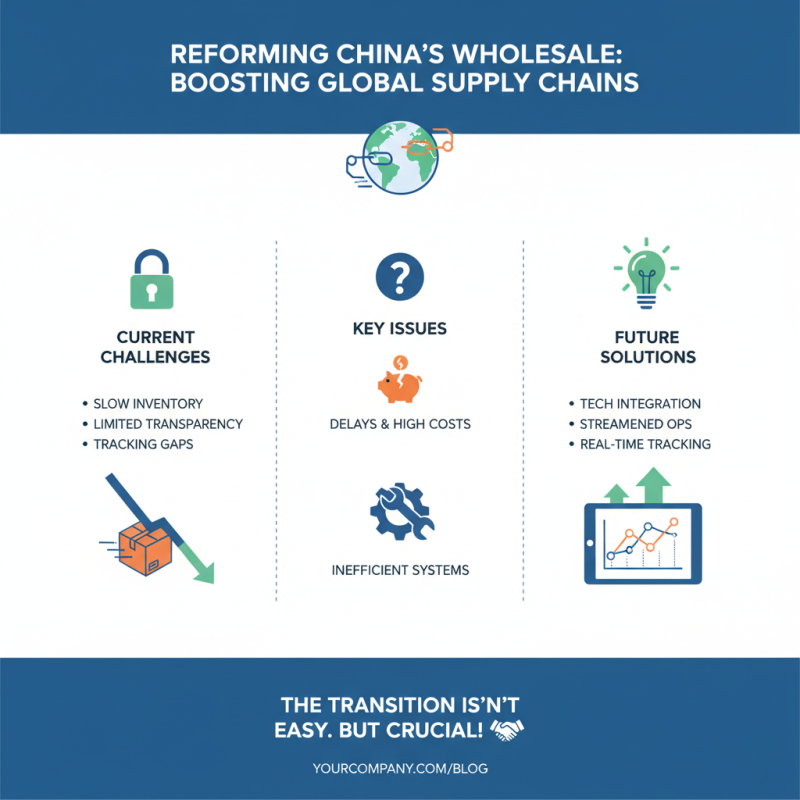
Reforming China's wholesale industry is crucial for enhancing global supply chains. The current system faces inefficiencies, such as slow inventory turnover and limited transparency. Many businesses struggle to track their products from manufacturing to delivery. This leads to delays and excess costs. Implementing better technologies could streamline operations. Yet, the transition isn't easy.
Shifting focus to innovation is vital. For instance, adopting real-time data analytics can improve decision-making. It allows businesses to adapt quickly. In the fitness industry, ordinary equipment like the Pilates Reformer could benefit from a more efficient supply chain. Reducing response times means that customers receive their orders faster. However, the industry also risks falling into outdated practices if reforms are ignored.
There's a pressing need for better training among employees. Workers must learn new systems and technologies. This could create a gap in knowledge and skills. Investing in human resources is just as important as technological reforms. If overlooked, inefficiencies will persist, impacting global trade. The path to reform is challenging, yet it promises a more robust future if approached thoughtfully.
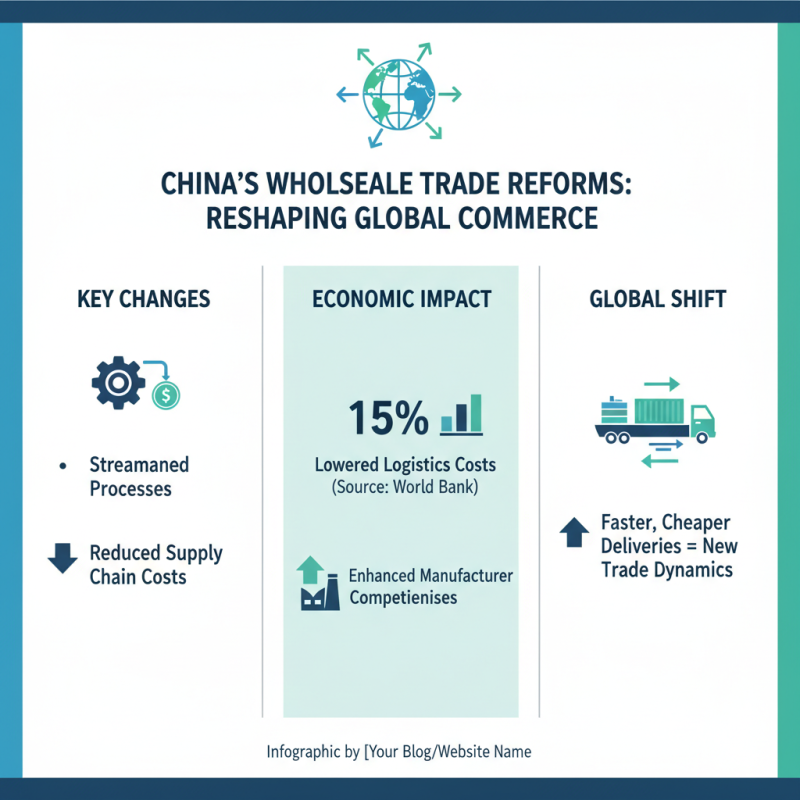
Wholesale reforms in China can dramatically reshape global trade dynamics. These reforms aim to streamline processes and reduce costs across supply chains. According to the World Bank, China's trade logistics costs could drop by 15% with these changes. Such reductions can enhance competitiveness for manufacturers who rely on timely deliveries.
Moreover, data from the International Trade Centre indicates that more than 70% of global trade relies on efficient supply chains. If China enhances wholesale operations, it could positively impact countries dependent on Chinese goods. However, challenges remain, particularly concerning regulatory hurdles and the integration of advanced technologies. Small and medium enterprises may struggle to adapt, risking exclusion from evolving marketplaces.
In addition to cost efficiencies, there is also a potential shift in trade flows. As reforms progress, businesses might reassess supplier relationships, leading to new partnerships worldwide. This uncertainty could create a ripple effect, impacting logistics providers and freight services. Balancing efficiency and partnership dynamics remains essential for navigating future changes in global trade.
The efficiency of Chinese supply chains plays a vital role in global trade. Enhanced efficiency can reduce costs and improve delivery times. This can lead to lower prices for consumers worldwide. For instance, streamlined logistics can shorten the distance between production and market. As a result, companies can respond faster to consumer demands.
However, there are challenges that need addressing. Sometimes, the focus on speed overlooks quality. Goods may not always meet strict standards. A reliance on cost-cutting can also lead to overlooked labor practices. Transparency is essential to maintain trust in these systems.
An interesting trend is the rise of sectors like fitness, emphasizing products like the Pilates Reformer Abs. This reflects changing consumer preferences. Supply chains need to adapt quickly to such shifts. Enhanced agility means businesses can innovate while maintaining quality. The balance between efficiency and ethical practices must be carefully managed.
The evolution of China’s wholesale sector illustrates the potential impact of reforms on global supply chains. For example, many wholesalers adopted digital platforms to streamline transactions. This shift improved efficiency and reduced lead times. Businesses benefited from better access to suppliers and customers.
One notable case involved a wholesale distributor transforming its logistics. By investing in technology, they minimized shipping costs and optimized inventory management. The results were remarkable. However, some companies still struggle with outdated practices. These lingering challenges hinder overall progress.
Tips for improvement: include embracing technology and training employees to adapt. Engaging with local suppliers can also enhance flexibility. A focus on sustainability will attract conscientious consumers. Companies can draw inspiration from the Pilates Reformer Set, emphasizing adaptability and core strength in navigating challenges. This reminds us that ongoing reflection and adjustment are crucial for success in the dynamic market landscape.
China's role in global supply chains is pivotal. By 2025, experts predict China will contribute about 40% of the global manufacturing output. This dominance comes with challenges. The reliance on Chinese manufacturing exposes vulnerabilities in supply chain resilience.
In recent times, reports indicate a shift in global sourcing strategies. Supply chain managers are diversifying source locations. They aim to reduce dependence on China. However, the quality control in alternative markets often lags. This presents risks for consistency in supply and timing.
An ongoing issue is innovation. While China's capacity for production is impressive, its pace in technological advancements needs evaluation. According to industry insights, investing in R&D could enhance its competitiveness. Improvements in automation and AI could create a more resilient supply chain framework. Without thoughtful reform, China risks losing its edge in the global supply chain landscape.
The new generation foldable professional Pilates bed offers an innovative solution for fitness enthusiasts looking to enhance their home workout experience. With its professional design, this reformer is crafted to meet the highest standards, making it suitable for serious practitioners who require a robust training tool. The ergonomics and functionality integrated into this Pilates bed ensure that users can engage in intense workouts without compromising their needs for stability and support.
One of the standout features of this foldable Pilates bed is its elegantly compact design, allowing it to fold away effortlessly after use. This makes it an ideal choice for those with limited living space, enabling a dedicated workout area that doesn't intrude into everyday life. Made from exquisite and durable American maple wood, the reformer not only adds a touch of sophistication to your home but is also rigorously tested to withstand the rigors of repeated use. The inclusion of a foot strap and optional jump board further enhances the versatility of this equipment, providing users with an array of training possibilities right at home.
: This product aims to simplify daily tasks. It assists users in organizing their schedules efficiently.
To use it well, integrate it into your routine. Set reminders and prioritize tasks each day.
Yes, it may not cover every situation. Users need to adapt it to personal needs sometimes.
Absolutely! Sharing feedback is encouraged. It helps others understand its potential and limitations.
Yes, there is customer support. However, response times can vary based on demand.
If a problem arises, check the troubleshooting guide first. If unresolved, reach out for help.
China plays a crucial role in global supply chains, serving as a major hub for wholesale transactions. However, the sector faces significant challenges, including outdated practices and inefficient logistics, which hinder its potential. Reforming China's wholesale industry is essential to address these issues and enhance its contribution to global trade dynamics. By introducing comprehensive reforms, China can improve efficiency, reduce costs, and strengthen partnerships across international markets.
The impact of these wholesale reforms will not only streamline Chinese supply chains but also create ripple effects in global trade, facilitating smoother exchanges between countries. Successful case studies highlight the transformative power of these changes, suggesting a promising future for China's position in global supply chains. As a "Reformer," China has the opportunity to lead the way in establishing a more efficient and interconnected global trade system.