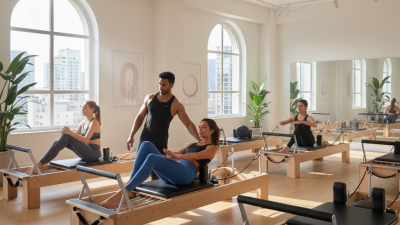
Picking out a Pilates reformer for your studio isn’t just about how it looks — it’s a practical decision. You really want a model that works well with your classes, fits the space you have, suits your instructor's workflow, and is easy enough to maintain. It’s a good idea to measure the room with the carriage fully extended first, and don’t forget to leave enough clear space for both clients and instructors to move around comfortably. Little details matter here — like how smoothly the carriage travels, how easy it is to change springs, the positions of the footbar, whether the shoulder-rest feels comfy, and if the frame feels sturdy when in use. Also, ask suppliers for specs on materials, warranty info, how easy it is to get replacement parts, and cleaning tips in writing. These little details can help you compare different models — beyond what you see in shiny photos.
A machine Pilates reformer can work great for classes with mixed skill levels, especially if adjustments are straightforward and resistance options match your programming. But, honestly, no one-size-fits-all machine exists. Think about how quickly your clients can switch exercises, whether instructors can change springs without fuss, and if the equipment works for different body sizes. If you can, try it out in person. Have your instructors do some familiar exercises and just listen — do you hear any rattling, uneven movements, or hesitations in the carriage? Sometimes, product descriptions can be a bit optimistic. Make sure to ask what exactly the load ratings cover and how they tested them. And if you're considering a Pilates Reformer Pilates Machine, it’s smart to clarify delivery, assembly, and ongoing service options ahead of time. Don’t forget to budget for regular check-ups and potential downtime — that stuff adds up. After using it for a few weeks, get feedback from instructors and clients — what looks good on paper might not always work smoothly in real life. Even with good equipment, a little review goes a long way.
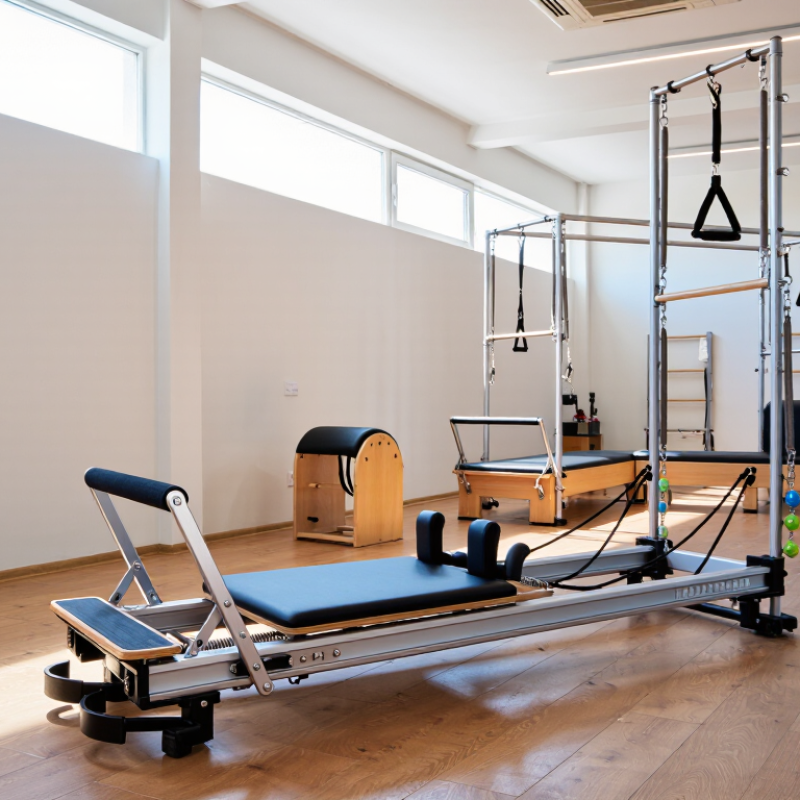
Assess Your Studio’s Space, Clientele, and Training Goals
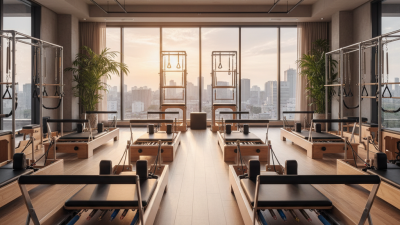
Measure twice. Sketch the studio before comparing reformers. Include the machine’s full moving range, not just its frame: the carriage travels, straps need room, and an instructor may need to walk beside a client. Mark doors, windows, storage, and walking paths on the floor plan. A machine that fits on paper can still make a narrow aisle awkward.
Consider who will use the equipment each week. Beginners may benefit from clear adjustments and stable support, while experienced clients may want more resistance options and varied exercises. If your studio serves a broad mix, check that springs, foot bars, and straps can be adjusted without a lengthy setup. Ask instructors to test those changes between mock sessions. Small delays add up.
Let your training goals guide the final choice. A studio focused on private sessions may prioritize precise adjustments and instructor access; a group program may need durable equipment that suits repeated, varied use. Check the stated weight capacity and maintenance guidance, then confirm service access in your room layout. It is tempting to choose the most versatile model, but versatility is not useful if staff avoid its adjustments. Revisit your assumptions after a trial layout; the first plan is often a little too optimistic.
Compare Reformer Types and Their Core Features
Reformer types differ in frame design, spring layout, and how easily instructors can change exercises. Classical models often use a narrower carriage and a simpler spring setup. Their familiar feel can suit studios teaching traditional sequences, but may offer fewer adjustment options for varied clients. Contemporary reformers commonly add adjustable footbars, risers, and rope settings. Small changes matter when a client has shorter legs or limited shoulder mobility.
Tower reformers combine a moving carriage with a vertical frame and extra springs. This expands exercise options without requiring a separate tower unit. The trade-off is more setup time and more parts to inspect. Convertible designs can save floor space, though changing configurations between classes may interrupt the room’s rhythm. Try each adjustment yourself. A stiff footbar gets old.
Compare the carriage glide, spring changes, and access to the stopper before choosing. Spring colors do not always indicate equal resistance between machines, so assess the actual feel under load. Ask instructors to test transitions with different body sizes, not just perform a favorite sequence. Check whether replacement springs and upholstery are easy to source. A machine may look versatile, yet sit unused if setup feels awkward. That is worth admitting before buying.
Evaluate Frame Construction, Materials, and Durability
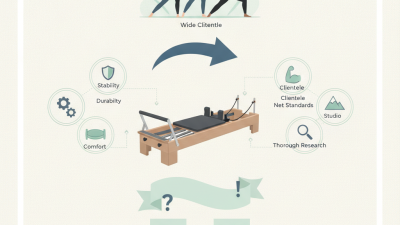
A reformer’s frame affects stability, noise, and how confidently clients move through each exercise. Check the joints, rails, and footbar attachments for wobble or uneven finishes. When comparing a Pilates Machine Reformer, ask how the frame is tested under repeated studio use. A smooth showroom glide is useful, but it cannot reveal years of wear. Small details matter.
Wood frames can feel warm and absorb some vibration, but inspect seams and coatings for cracking or moisture damage. Metal frames are often straightforward to clean; still, look closely at welds, fasteners, and rail alignment. Ask about replacement parts and routine maintenance, not just the stated warranty. No frame is maintenance-free. One easy-to-miss point: a sturdy frame can still feel unstable on an uneven floor, so assess it in your actual studio space.
Tips: Press gently on the frame and listen for creaks. Run the carriage slowly, then check for side-to-side movement. Keep a simple inspection log; honestly, teams may forget small changes unless someone records them. Before buying, confirm that the materials and finish suit your cleaning routine.
Balance Purchase Costs with Long-Term Studio Value
A reformer’s purchase price is only the visible cost. Budget for delivery, instructor familiarization, spring replacement, inspections, and downtime. Then estimate cost per booked session across several years, using realistic class sizes and occupancy—not a full timetable. A low quote can still be expensive. Not always, though.
The U.S. Small Business Administration’s 2024 Frequently Asked Questions, drawing on Bureau of Labor Statistics data, notes that about half of new businesses survive five years. This is not a Pilates-studio forecast, but it makes cash reserves worth protecting. The Health & Fitness Association’s 2024 U.S. Health & Fitness Consumer Report estimated 72.9 million U.S. fitness-facility members in 2023; broad demand does not guarantee reformer bookings at your studio. Compare warranty terms, repair access, carriage noise, and how quickly instructors can adjust the footbar between clients. The phrase Pilates Reformer Machine Home may point shoppers toward compact models, but check whether a unit is suited to repeated studio sessions. A premium model may reduce interruptions; it may also tie up cash your schedule cannot yet justify. Track repair costs and class use for the first year, then review the decision. I would question any forecast that assumes every reformer stays occupied.
Conclusion
Choosing the right Pilates reformer begins with understanding your studio’s available space, the needs and experience levels of your clients, and the training goals you want to support. Compare different reformer types and consider how their features suit individual sessions, group classes, and varied exercise programs. A Machine Pilates Reformer should fit the studio layout while offering a practical range of movement and resistance options.
Before purchasing, assess frame construction, materials, and expected durability, along with adjustability and comfort for users of different body types. Check that safety features are clear, routine maintenance is manageable, and warranty coverage meets your expectations. Rather than focusing only on the initial price, weigh the purchase cost against long-term value, including reliability, upkeep, and how well the equipment serves your clients over time. A thoughtful comparison can help you choose equipment that supports a safe, comfortable, and adaptable studio environment.



 1Durch die gruppenweite Einführung und Harmonisierung unseres integrierten Managementsystems (IMS) werden alle bestehenden Unternehmens-, Qualitäts-, Umwelt- und Energiepolitiken durch diese Unternehmenspolitik ersetzt. Der Slogan „Textil hat Zukunft – auch in De