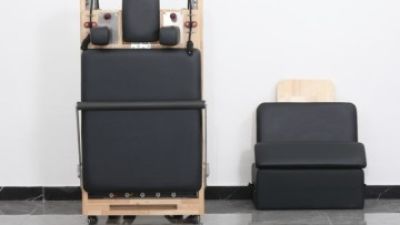
Picking the best Reformer supplier in 2026 isn't just about comparing prices on a spreadsheet — there's a bit more to it than that. A trustworthy partner should really get how fitness studios work — from those bustling morning classes to the daily routine of cleaning all the equipment. Reformer Pilates machines go through a lot — repeated movements, changing resistance, constant tweaks. So, any tiny weaknesses tend to show up pretty fast.
When you're checking out their gear, take a good look at the frame, carriage, springs, ropes, shoulder rests, and footbar. Don't be shy — ask for details like what materials are used, load testing reports, warranty info, and how easy it is to get replacement parts. A solid supplier should be upfront and clear about all of this, not just hide behind pretty pictures. If you can, ask for product samples or swing by a showroom that’s actually running. Even a quick video call can tell you a lot — how noisy the carriage is, the quality of the finishes, or how straightforward it is to swap out springs.
Experience really counts here. Chat with studio owners who've actually been using the equipment for at least six months. They can give you the real scoop — might highlight delays in delivery, inconsistent support, or padding that's uncomfortable. Also, check if the supplier follows recognized quality standards and provides solid documentation suited for your market. Certifications can be helpful, but always verify them yourself.
Look, no checklist is perfect. A supplier might offer top-notch equipment but be terrible at communication after you’ve paid. Another could have fewer options design-wise but provide rock-solid technical support. Honestly, it's about weighing those trade-offs. Don’t just compare the sticker price — think about the total cost of ownership. That includes shipping, setup, staff training, repairs, and future upgrades.
Ultimately, your ideal Reformer supplier should help you run a safe, smooth studio and support your long-term goals. Building trust doesn’t happen overnight — it’s based on solid evidence, clear answers, and dependable service that sticks around, even after the sale.
Define Your Pilates Reformer Business Needs and Buyer Requirements
Before contacting a Pilates reformer supplier in 2026, define how your business will use each machine. A private studio needs different equipment from a busy rehabilitation center. Record your floor space, daily users, class size, and available budget. Measure doorways and lift dimensions. A reformer that fits the room may still fail at delivery.
Write specific buyer requirements. For example, request a stable frame, quiet carriage movement, adjustable ropes, secure shoulder rests, and clearly rated springs. If you search for “Pilated Reformer,” confirm the supplier understands your intended equipment. Ask for material specifications, assembly instructions, test reports, warranty terms, and replacement-part availability. These details reveal more than polished product photos.
Speak with suppliers about real operating conditions. Ask how the frame performs after repeated daily use and how quickly worn straps can be replaced. Request sample videos showing carriage movement and adjustment points. An experienced supplier should answer technical questions without vague promises. Check whether their documents match the actual product. Small differences matter. My first purchasing checklist ignored storage space, which created an avoidable problem. I would also test several resistance settings before approving a large order. Comfort is subjective, and one design may not suit every instructor or client. Record feedback from trainers, beginners, and taller users before finalizing quantities.
Set Quality, Safety, and Certification Standards for Reformers
When choosing a Pilates Reformer supplier in 2026, quality should be measured, not assumed. Inspect the frame, carriage, springs, ropes, and shoulder rests. A stable frame should remain quiet during repeated movement. The carriage should glide smoothly without side-to-side shaking. Small defects matter.
In studio evaluations, I check welds, pulley alignment, and the finish around every edge. These details reveal manufacturing discipline. Ask for material specifications and load-testing records. A reliable supplier should explain how each Pilates Reformer is tested before shipment. Request clear maintenance instructions, spare-part availability, and a realistic service process. Good support protects both instructors and users.
Safety certification needs careful verification. Check the issuing organization, certificate number, test scope, and expiration date. A logo on a brochure proves very little. The certificate should match the exact model, not a similar product. Confirm that safety tests cover structural strength, pinch points, spring performance, and chemical materials where relevant. Requirements may differ by market, so local compliance should be reviewed by a qualified professional. I once focused too heavily on appearance and overlooked replacement hardware. That was a costly lesson. A polished reformer can still hide weak documentation or inconvenient repairs. Suppliers deserve trust only when their evidence is consistent, current, and easy to inspect.
Compare Supplier Manufacturing Expertise and Product Customization Options
In 2026, finding a Pilates reformer supplier should start with manufacturing evidence, not polished product photos. The Global Wellness Institute valued the global physical activity economy at 1.1 trillion dollars in 2022. McKinsey’s 2024 Future of Wellness report estimated the broader wellness market at about 1.8 trillion dollars annually. Demand is large. Quality still varies.
Ask how long the factory has produced reformers, not merely fitness equipment. Request production videos, material specifications, load-test records, and inspection procedures. A capable supplier should explain wood selection, aluminum processing, spring calibration, carriage alignment, and noise control clearly. Check whether prototypes receive repeated use testing. One sample is not enough. I would also ask for failure rates and corrective-action records, although some suppliers may hesitate.
Customization should solve real user needs. Compare carriage dimensions, spring resistance, rope systems, footbar positions, upholstery density, and storage options. Confirm whether your logo, color, packaging, and Pilates Reformer Abs accessories can be customized without weakening core safety. Ask for drawings before production. Small changes can affect balance and maintenance. A cheaper quote may hide replacement costs. I once underestimated that risk in supplier comparisons. That judgment needs more discipline. Look for documented quality systems, transparent lead times, spare-part availability, and independent pre-shipment inspections. Insist on measurable acceptance standards.
Evaluate Materials, Testing Procedures, and Production Consistency
How to Find the Best Pilates Reformer Supplier in 2026?
Demand is rising, but demand alone proves nothing about supplier quality. EuropeActive and Deloitte reported 67.6 million European fitness members in 2023. That scale increases pressure on equipment reliability. WHO’s 2022 report also estimated that 1.8 billion adults lacked sufficient physical activity. Buyers should therefore examine construction details, not attractive catalogs.
Start with material evidence. Ask for wood moisture readings, metal grade certificates, weld inspection records, and coating thickness results. Check whether aluminum rails remain straight after repeated loading. Springs need fatigue testing, while ropes require tensile and abrasion testing. ISO 20957-1 provides relevant safety principles for stationary training equipment. However, compliance paperwork is not proof of consistent production. Request test methods, sample sizes, acceptance limits, and failed-unit records. Small gaps matter.
Production control needs measurable evidence. ISO’s 2022 Survey recorded more than one million ISO 9001 certificates worldwide, yet certification alone cannot guarantee every reformer matches the approved sample. Review batch numbers, incoming-material checks, first-article inspections, and corrective-action reports. Ask for carriage noise, wheel resistance, and load-test results from several production batches. A single perfect sample is weak evidence. I would also inspect ten randomly selected units before a large order. This costs time. It can expose uneven drilling, loose fasteners, or inconsistent spring tension before users do. Some suppliers may resist this request. That resistance deserves reflection.
Assess Pricing, Minimum Orders, Shipping, and After-Sales Support
How to Find the Best Pilates Reformer Supplier in 2026?
A reliable Pilates Reformer supplier should provide more than an attractive unit price. Request a detailed quotation for each Pilates Reformer Set, including accessories, packaging, and replacement parts. Compare the landed cost, not only the factory price. Freight, insurance, customs duties, and warehouse handling can change the final budget quickly. I once chose a cheaper quotation and later paid more for reinforced packaging. My first comparison was too shallow.
Minimum order quantities also deserve careful attention. A low MOQ helps new studios test demand without filling a warehouse. However, smaller orders may carry higher production or shipping costs. Ask whether mixed colors, spare ropes, or different accessories are allowed. Confirm production time in writing. A supplier should explain deposit terms, balance payments, and possible delays clearly. Vague answers are warning signs.
Shipping support can reveal a supplier’s real experience. Ask for carton dimensions, gross weight, loading photos, and tracking procedures. Confirm whether the equipment arrives assembled or requires basic installation. After-sales support matters just as much. Look for a written warranty, clear response times, video troubleshooting, and accessible spare parts. Test the support team before ordering with practical questions. Do they answer precisely? Do they understand reformer maintenance? A fast reply is useful, but a correct reply is better. Insist on documentation.
Verify Supplier Reputation Through Audits, Samples, and Customer Feedback
How to Find the Best Pilates Reformer Supplier in 2026?
In 2026, supplier reputation should be proven, not promised. The Global Wellness Institute’s 2024 Global Wellness Economy Monitor valued wellness at $6.3 trillion in 2023. McKinsey’s 2024 Future of Wellness report estimated consumer wellness spending at $1.8 trillion globally. These figures show demand, but they cannot validate a reformer supplier. A professional review must connect market claims with factory evidence.
Request an independent audit covering the legal entity, production capacity, material traceability, worker safety, and quality records. Demand evidence. Check whether corrective actions were closed, not merely documented. Ask for batch records, spring-life tests, carriage-noise measurements, and packaging-drop results. Visit the stated facility, or appoint a qualified third-party auditor. Confirm that the audited site actually manufactures your equipment. A polished factory tour can still mislead.
Order samples before discussing large-volume purchases. Test the carriage repeatedly, inspect screw alignment, measure frame stability, and record noise after several sessions. Check whether springs, straps, and upholstery match the technical specification. Customer feedback needs structure. Ask for three recent buyers, installation dates, return rates, warranty cases, and delivery performance. Look for repeated complaints, not one emotional review. My own checklist is not infallible. Suppliers can pass an audit and still provide inconsistent batches. Recheck critical measurements when the production sample arrives.
New Generation Foldable Professional Pilates Bed: A Complete Guide to Home Reformer Workouts
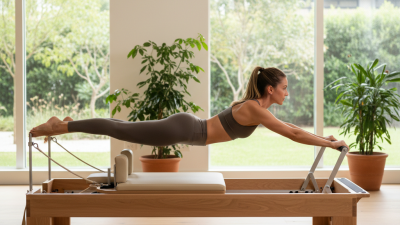
The new generation of foldable professional Pilates beds brings studio-quality reformer training into the home. According to the Global Wellness Institute’s 2024 report, the global physical activity economy reached approximately $1.1 trillion in 2023 and is projected to grow to $1.7 trillion by 2028, reflecting strong demand for convenient, structured exercise solutions. A home reformer supports controlled resistance training, mobility work, balance, and core conditioning without requiring a dedicated workout room.
Designed for serious practice, this reformer combines professional construction with an elegant, space-conscious format. Its durable American maple frame provides dependable stability during repeated, intensive sessions, while the folding design allows it to be stored neatly after training. This makes it suitable for apartments, multipurpose rooms, and home gyms where floor space matters. Users can build progressive routines around footwork, leg strength, spinal mobility, and full-body coordination while maintaining the smooth, guided movement associated with reformer exercise.
The equipment can also be adapted for a wider range of workouts with optional accessories, including a foot strap, jump board, and box. These additions support varied programming, from low-impact conditioning to dynamic cardio intervals and targeted flexibility exercises. With professional design, tested durability, and convenient storage, a foldable reformer offers a practical way to make consistent Pilates training part of everyday home fitness.
FAQS
Inspect the frame, carriage, springs, ropes, pulleys, and shoulder rests. The frame should stay quiet during repeated movement. The carriage should glide without side-to-side shaking. Small defects can become expensive problems.
Request material specifications, load-testing records, maintenance instructions, and spare-part details. Ask how every unit is tested. The service process should be written clearly. Vague documentation is a warning sign.
Check the issuing organization, certificate number, test scope, and expiration date. Confirm the certificate matches the exact model. A brochure logo proves very little. Local requirements may need professional review.
Relevant testing should cover structural strength, pinch points, spring performance, and chemical materials. The scope must fit the equipment. Do not assume broad claims cover every risk. I once trusted appearance too much.
Compare the landed cost, not only the factory price. Include accessories, packaging, replacement parts, freight, insurance, duties, and handling. A cheap quotation may hide stronger packaging costs. My first comparison was too shallow.
Ask about minimum quantities, mixed colors, spare ropes, and accessory choices. Confirm production time in writing. Review deposit and balance-payment terms. Small orders can cost more per unit.
Request carton dimensions, gross weight, loading photos, and tracking procedures. Confirm whether basic installation is required. Check warranty terms, response times, troubleshooting help, and spare-part access. Fast replies are not always correct replies.
Use an independent audit to review the legal entity, factory capacity, traceability, safety, and quality records. Order samples before larger purchases. Measure frame stability, noise, screw alignment, spring performance, and upholstery. Ask recent buyers about delivery, returns, installation, and warranty cases. One audit may not expose inconsistent batches.
Conclusion
Finding the best Pilates Reformer supplier in 2026 begins with clearly defining your business model, target customers, expected order volume, and product requirements. Establish practical standards for quality, user safety, durability, and relevant certifications before comparing suppliers. Review each manufacturer’s experience, production capabilities, customization options, and ability to maintain consistent specifications across different batches. Materials, structural design, inspection systems, load testing, and quality-control procedures should all be assessed carefully to ensure reliable performance and long-term value.
A complete supplier evaluation should also consider pricing, minimum order quantities, lead times, shipping arrangements, warranty terms, spare parts, and after-sales support. Before making a commitment, request product samples and documentation, conduct factory or independent audits when possible, and verify customer feedback from reliable sources. A supplier that communicates clearly, provides transparent records, supports customization responsibly, and demonstrates stable production is more likely to become a dependable long-term partner for your Reformer business.



 1Durch die gruppenweite Einführung und Harmonisierung unseres integrierten Managementsystems (IMS) werden alle bestehenden Unternehmens-, Qualitäts-, Umwelt- und Energiepolitiken durch diese Unternehmenspolitik ersetzt. Der Slogan „Textil hat Zukunft – auch in De