You know, Pilates machines are pretty much a must-have in today’s fitness scene. I was chatting with Jane Smith over at FitLife Studio, and she said something that really stuck with me: "A Pilates machine helps connect your body to movement in a way that just feels right." These machines aren't just for show—they’re surprisingly versatile, offering resistance training that can suit pretty much any fitness level. So, whether you’re a beginner or a seasoned pro, they can give your workout that extra edge.
What makes these machines interesting is their design: they usually combine springs, straps, and a sliding carriage. It’s like having support plus a challenge all in one go, which is kind of cool. A lot of folks find that using a Pilates machine really helps improve core strength and flexibility—no doubt about that. But, honestly, at first, it can be a bit overwhelming. I mean, I remember feeling kinda awkward the first time I jumped on one. It’s not always super comfy right away, and that’s totally normal.
And yeah, some people might wonder if it's actually more effective than just doing regular workouts. Fair point! The key is to think about how these machines fit your personal needs. Every time you use it, you’ll learn something new about your limits and strengths. It’s all about patience and sticking with it. The growth potential? Huge. Honestly, once you get the hang of it, Pilates machines can totally transform your approach to fitness in a really interesting way.
What is a Pilates Machine?
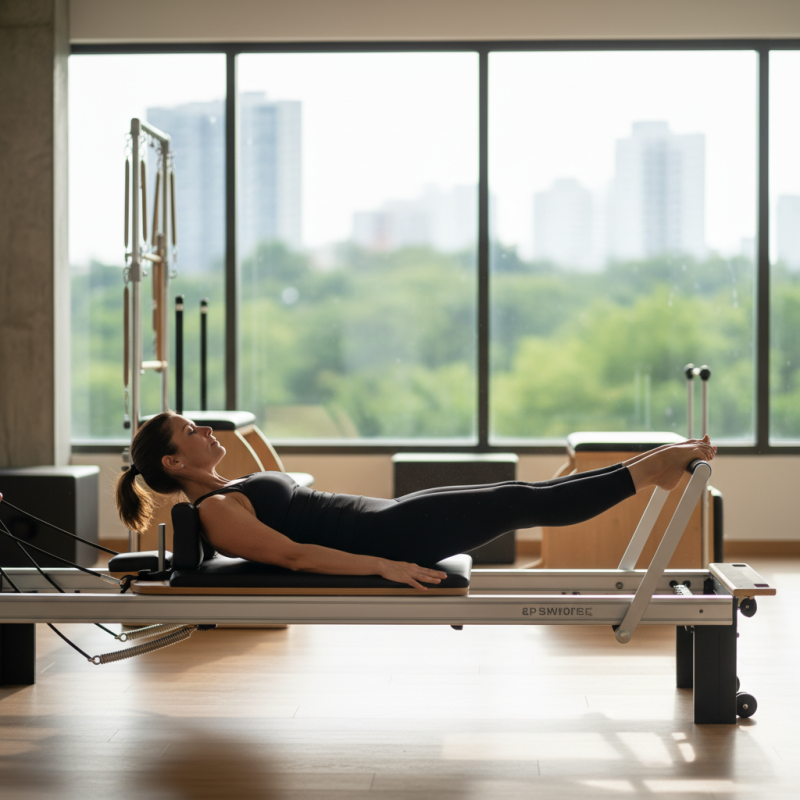
A Pilates machine refers to specialized equipment designed to enhance Pilates workouts. This equipment typically includes a reformer, cadillac, and chair. The reformer is the most popular. It consists of a sliding platform called the carriage, adjustable springs, and straps. You can adjust resistance based on your fitness level.
Using a Pilates machine helps in building strength, flexibility, and balance. The moving parts create resistance against your movements. This allows for both challenging routines and gentle stretching. Each exercise targets specific muscle groups. Many people find they can focus better on their form.
Here’s a tip: Start with a few basic exercises to understand how to use the machine. Listen to your body. If something feels off, adjust your position or reduce resistance. Practice consistently to see progress, but don’t rush. Another useful tip is to focus on controlled movements rather than speed. Quality matters more than quantity in Pilates. It’s important to take time to reflect on your routine. Growth comes with patience.
Understanding Pilates Machines
This chart illustrates the popularity of different types of Pilates machines based on user preference and training effectiveness. The data reflects trends observed in Pilates studios over the past year.
The History and Evolution of Pilates Machines
Pilates machines have a fascinating history. They were developed in the early 20th century by Joseph Pilates. Originally, he created the reformer to aid in rehabilitation. This machine uses springs for resistance. Over time, other machines emerged, each with unique features.
The evolution of Pilates machines reflects changing fitness trends. In the 60s and 70s, they gained popularity in studios. These machines allowed for a diversity of exercises. Some people found them intimidating at first. They required coordination and strength.
As Pilates grew, so did the machines' complexity. New designs appeared, offering more adjustments and options. Today, Pilates machines can be found in various settings. Some are sleek and modern, while others retain a classic look. Reflecting on their evolution, it's important to consider accessibility. Not everyone feels comfortable using them, which can be a barrier. The journey of Pilates machines continues to shape our understanding of movement and fitness.
What is a Pilates machine and how does it work? - The History and Evolution of Pilates Machines
| Type of Pilates Machine |
Description |
Main Use |
Features |
Evolution |
| Reformer |
A sliding platform with springs for resistance. |
Full-body workouts and rehabilitation. |
Adjustable springs, footbar, shoulder rests. |
Developed in the 1920s by Joseph Pilates. |
| Cadillac |
A bed-like frame with overhead bars and springs. |
Advanced exercises and stretching. |
Multiple attachments, high variability of movements. |
Inspired by early Pilates studios in the 1930s. |
| Chair |
A compact machine combining a chair with pedals. |
Strengthening and flexibility training. |
Robust structure, spring resistance. |
Popularized in the mid-20th century. |
| Barrel |
Curved apparatus designed for stretching and rolling. |
Back and spine health, core strength. |
Various sizes, supports dynamic stretching. |
Introduced as an extension of traditional Pilates equipment. |
Different Types of Pilates Machines Explained
Pilates machines come in various types, each designed to enhance your practice. The most common is the reformer. It includes a sliding carriage and adjustable springs. This machine helps with resistance training and improves flexibility. Many find it effective for building core strength.
Another type is the Cadillac. It features a raised platform with a canopy and various attachments. This allows for more advanced exercises and increased support. It can be intimidating but offers a unique way to challenge yourself. Some might struggle initially with the different setups.
The chair is compact and provides versatility. It encourages a full-body workout in a smaller space. However, mastering it requires patience and focus. Many trainees face difficulty adapting to the short range of motion. Understanding each machine's purpose is crucial for progress.
Key Components of a Pilates Machine
A Pilates machine, often called a reformer, is designed to help individuals improve their strength and flexibility. The key components of a Pilates machine are essential for its functionality. They work together to enhance workouts, allowing customization for different skill levels. The reformer's frame, for instance, provides stability. It supports varied movements that challenge the body.
Another critical component is the carriage. This movable platform glides along the frame. It offers resistance through springs, which can be adjusted. Users can easily adapt the tension. This feature allows for progressive overload, helping to build strength effectively. Additionally, the footbar allows users to push against it, enhancing leg workouts.
Finally, the straps and pulleys play crucial roles. They connect to the carriage and allow exercises to be performed with controlled movements. However, learning how to use these components correctly takes practice. It’s easy to lose balance or not use the correct form. Reflecting on alignment throughout sessions can improve effectiveness. By understanding these key elements, users can create a more robust Pilates routine.
How Pilates Machines Enhance Workouts
Pilates machines are designed to enhance workouts by providing resistance and support. These machines create a unique environment for exercising. They help improve strength, flexibility, and posture. With various attachments, users can target specific muscle groups. This versatility is a key feature of Pilates machines.
Using a Pilates machine can feel challenging initially. Some may struggle with coordination and balance. This can be frustrating. However, the process of learning is valuable. Each session builds confidence and improves skills. Users often discover new ways to engage their muscles. Adjusting the resistance levels allows for personalized workouts, catering to individual needs and fitness goals.
The visual feedback from the machines also plays a role. Users can see their movements in real-time. This immediate insight can lead to better form and technique. Yet, one might find it difficult to maintain focus. It’s natural to be distracted or lose track of movement details. Embracing these moments of imperfection can lead to growth in practice.
Safety Tips for Using a Pilates Machine
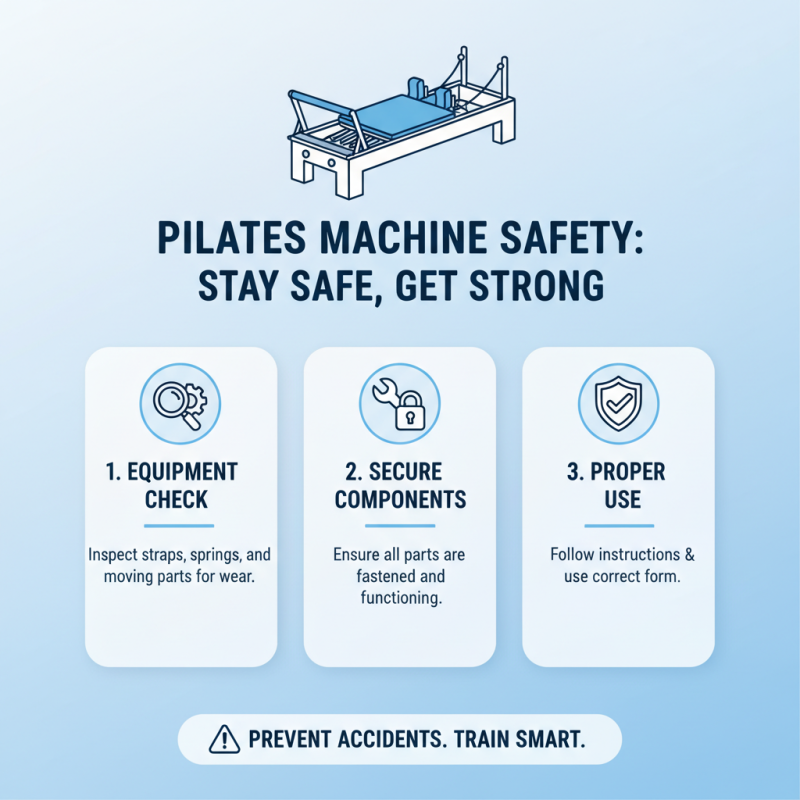
When using a Pilates machine, safety is key. These machines can enhance your workouts but also pose risks if used improperly. Start by checking equipment thoroughly. Ensure all parts are functioning well. Worn-out straps or loose springs can lead to accidents.
Appropriate attire matters. Wear fitted clothing to avoid catching on moving parts. Sturdy socks or bare feet can provide better grip. Always position yourself correctly. Use the right setup for your body size and strength. A misadjusted machine can strain your muscles unnecessarily.
Remember to listen to your body. Push yourself, but only to a reasonable limit. If something feels off, pause and reassess. Overexertion can lead to injuries. Gradually increase resistance as your strength improves. It’s better to reflect on your limits than to face setbacks from over-training. Stay mindful and focused throughout your practice for the best experience.
Common Exercises Performed on Pilates Machines
Pilates machines, like reformers, play a key role in enhancing workouts. Common exercises on these machines include footwork, leg circles, and the hundred. Each movement targets specific muscle groups, promoting strength and flexibility. A study from the American Council on Exercise found that Pilates can improve core strength by up to 36% in just 12 weeks.
Footwork on the reformer focuses on the legs and glutes. It helps improve alignment and posture. Start with a comfortable foot position. Gradually increase resistance as you progress. Ensure you engage your core throughout. Leg circles provide a dynamic stretch and challenge stability. They target hip flexors and help maintain range of motion.
Tips: Always listen to your body. Modifications may be necessary. If an exercise causes discomfort, adjust your form or reduce the resistance. Consistency is crucial for improvement. Keeping a training journal can track your progress and help identify areas needing attention.
FAQS
: You can buy a range of items, from clothing to electronics. Different categories are available.
Yes, there is a return policy. Items can be returned within a specific timeframe. Ensure they are unused.
You can track your order through a designated tracking link. Check your email for updates after purchase.
Various payment methods can be used. Credit cards and digital wallets are commonly accepted.
Changing an order can be challenging. It’s best to act quickly if changes are needed.
Contact customer service immediately. Provide details and photos of the damage for assistance.
Customer support might not be available all the time. Check the website for specific hours of operation.
Shipping fees may apply based on location and order size. Review the checkout process for exact costs.
Resetting your password is straightforward. Follow the prompts on the login page to initiate the process.
Delays can happen for various reasons. Issues with logistics or stock may impact delivery times.
Conclusion
A Pilates machine is a specialized piece of equipment designed to enhance the practice of Pilates through resistance training. Originating from the early 20th century, these machines have evolved significantly, incorporating various forms that cater to different exercise needs. Key types include the reformer, Cadillac, and chair, each offering unique features and functions that promote strength, flexibility, and balance.
Key components of a Pilates machine, such as springs, straps, and pulleys, allow users to perform a range of exercises that target multiple muscle groups. When utilized correctly, Pilates machines can greatly enhance workouts by providing controlled movements and resistance, leading to improved body alignment and core strength. However, safety is paramount, and users should adhere to specific guidelines and instructions to prevent injury. Common exercises performed on Pilates machines include leg circles, footwork, and upper body stretches, making it a versatile tool for fitness enthusiasts of all levels.


 1Durch die gruppenweite Einführung und Harmonisierung unseres integrierten Managementsystems (IMS) werden alle bestehenden Unternehmens-, Qualitäts-, Umwelt- und Energiepolitiken durch diese Unternehmenspolitik ersetzt. Der Slogan „Textil hat Zukunft – auch in De