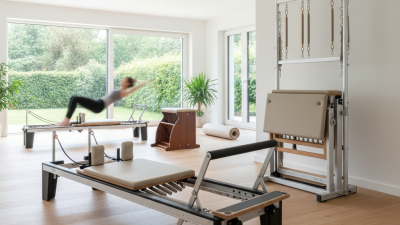
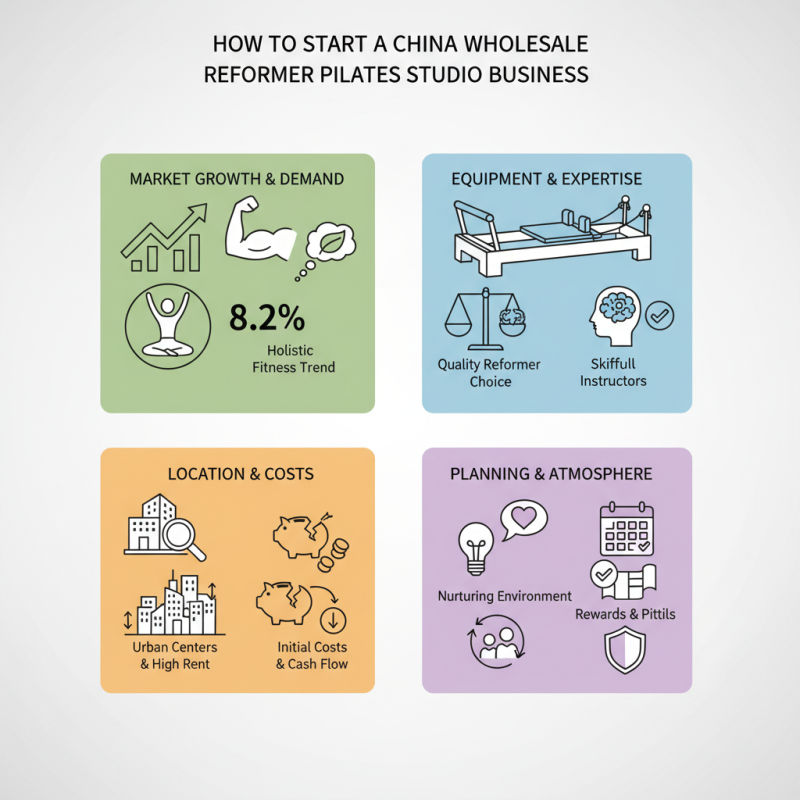
Starting up a Reformer Pilates studio in China? It can actually be a pretty lucrative move if you do it right. I remember reading a report from IBISWorld — yeah, those guys track industry trends — and they said the Pilates scene there has been growing at around 8.2% per year over the past five years. That’s a clear sign people are really into holistic fitness these days. Renowned fitness expert Dr. Julia Chen recently mentioned, ‘Jumping into a Reformer Pilates studio taps into this booming wellness trend,’ and honestly, she’s not wrong.
Of course, it’s not all smooth sailing. There’s definitely demand, but competition’s stiff, and making your mark isn’t a walk in the park. One of the key things? Getting familiar with the equipment — especially the Pilates Reformer machine. Picking the right gear can make or break your studio’s success. And beyond the equipment, creating a friendly, welcoming vibe for your clients is huge. That means not only having talented instructors but also thinking carefully about how you market yourself.
Location is also a big deal. Being in a busy city center can mean more foot traffic, but don’t forget — rents are crazy high there. Plus, many new studio owners tend to underestimate just how much it costs to get started, which can cause some serious cash flow problems early on. Dr. Chen sums it up well: ‘Planning is everything; you gotta envision where you want your studio to go.’ Basically, if you’re thinking about diving in, take your time. Look at the potential rewards — and don’t ignore the pitfalls either. It’s all about good planning and a clear vision.
Understanding the Reformer Pilates Market in China
The Reformer Pilates market in China is rapidly expanding. In recent years, the wellness industry has seen a surge in interest. According to a report by Statista, the fitness sector in China is projected to exceed $24 billion by 2024. Reformer Pilates, as a niche within this sector, is capturing a growing audience. More people are prioritizing health and wellness, particularly in urban areas.
Demographic studies indicate that Millennials and Gen Z are leading the charge. They value holistic health and are drawn to specialized fitness modalities. Data from IBISWorld suggests that the number of Pilates studios in China has increased by over 20% annually. However, the market is not without its challenges. High operational costs and competition from other fitness trends can impact profitability.
Understanding your target audience is vital. Many potential clients seek flexibility in class schedules and personalized training. However, space limitations and equipment availability can hinder service offerings. Addressing these factors requires careful planning and investment. Continuous assessment of industry trends will help you adapt your strategy effectively, ensuring your studio remains competitive in this vibrant market.
How to Start a China Wholesale Reformer Pilates Studio Business? - Understanding the Reformer Pilates Market in China
| Aspect |
Details |
| Market Size (2023) |
Approx. $200 Million |
| Growth Rate |
15% annually |
| Target Demographic |
Age 20-40, Health-conscious individuals |
| Popular Regions |
Beijing, Shanghai, Guangzhou |
| Main Competitors |
Local studios and international brands |
| Average Equipment Cost |
$10,000 - $50,000 |
| Start-up Costs |
$50,000 - $150,000 |
| Popular Class Types |
Group classes, Private sessions |
| Marketing Strategies |
Social media, Local partnerships, Promotions |
Identifying Target Customers for Your Pilates Studio
When starting a reformer Pilates studio in China, identifying your target customers is crucial. The fitness industry has experienced significant growth, with a market value expected to reach $78 billion by 2025. Understanding demographics is essential. According to a recent survey, around 54% of Pilates practitioners are women aged 25 to 45. This age group is often health-conscious, seeking stress relief and fitness.
Consider the lifestyle of your clients. Many urban dwellers prioritize wellness and seek low-impact exercises. Highlighting the benefits of the Pilates Pilates Chair can attract those looking for convenient yet effective workouts. Additionally, reaching out to younger audiences through online platforms can widen your customer base. However, remember that competition is fierce. Engaging with your community through events and free introductory classes may not always yield immediate results. Reflection on customer feedback is necessary to refine your approach.
Furthermore, pricing strategy plays a vital role in customer attraction. A report by IBISWorld indicates that 70% of fitness studio revenue comes from membership fees. Balancing affordability with quality services can be challenging. Establish flexible pricing packages to cater to different budgets. Some customers might prefer pay-per-class options, while others appreciate long-term commitments. Monitoring local trends and adjusting your offerings is key to maintaining a competitive edge.
Choosing the Right Location for Your Pilates Studio
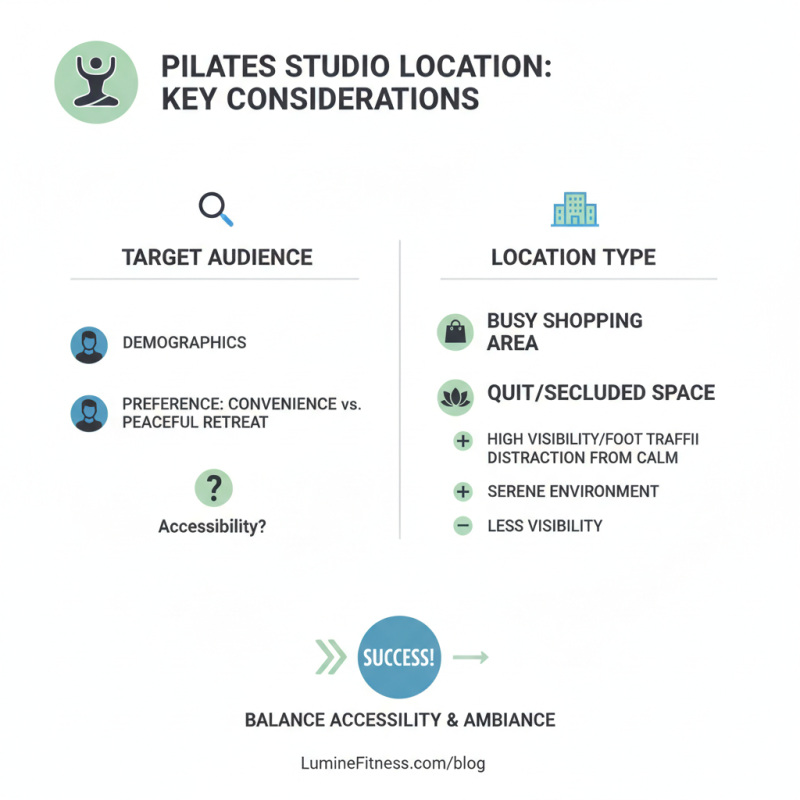
Choosing the right location for your Pilates studio is crucial for success. Analyze the demographic profile of your target audience. Do they prefer convenience or a peaceful retreat? You want to be accessible but not overwhelming. A busy shopping area might draw people in, but it may also distract from the calm you wish to create in a Reformer Pilates environment.
Consider factors like visibility, foot traffic, and proximity to related businesses, such as health food stores or gyms. A studio located near these establishments can boost referrals. However, high rent could eat into your profits. Reflect on your budget and potential clientele. Finding a balance is essential for sustainability.
Evaluate your space needs as well. A compact studio can be cozy but limits class sizes. Too large a space might feel empty and uninviting. Think about how your location can enhance the experience of Reformer Pilates. Natural light, serene surroundings, and ample parking contribute positively. Explore various neighborhoods and visualize how each could affect your studio's atmosphere and profitability.
Obtaining Necessary Licenses and Permits in China
Starting a wholesale Reformer Pilates studio in China requires careful planning, especially regarding licenses and permits. Understanding local regulations is crucial. The Chinese fitness market is booming, with an annual growth rate of 7.2% as reported by the National Fitness Administration. However, without proper licensing, your business could face significant setbacks.
To operate legally, you need a business license specific to your fitness establishment. The requirements vary by city but typically involve health, safety, and environmental assessments. Additionally, compliance with labor laws is essential. Hiring qualified instructors often necessitates verification of their certifications. Researching local government websites can provide guidance on the necessary permits.
Moreover, navigation through this bureaucratic process can be daunting. Many new business owners overlook critical steps, leading to potential fines or shutdowns. According to industry insights, about 20% of startups in the fitness sector fail within the first year due to regulatory challenges. Ensure you stay updated with changes in laws that might impact your Pilates Reformer studio. Always consult a legal expert when in doubt.
Developing a Business Plan for Your Pilates Studio
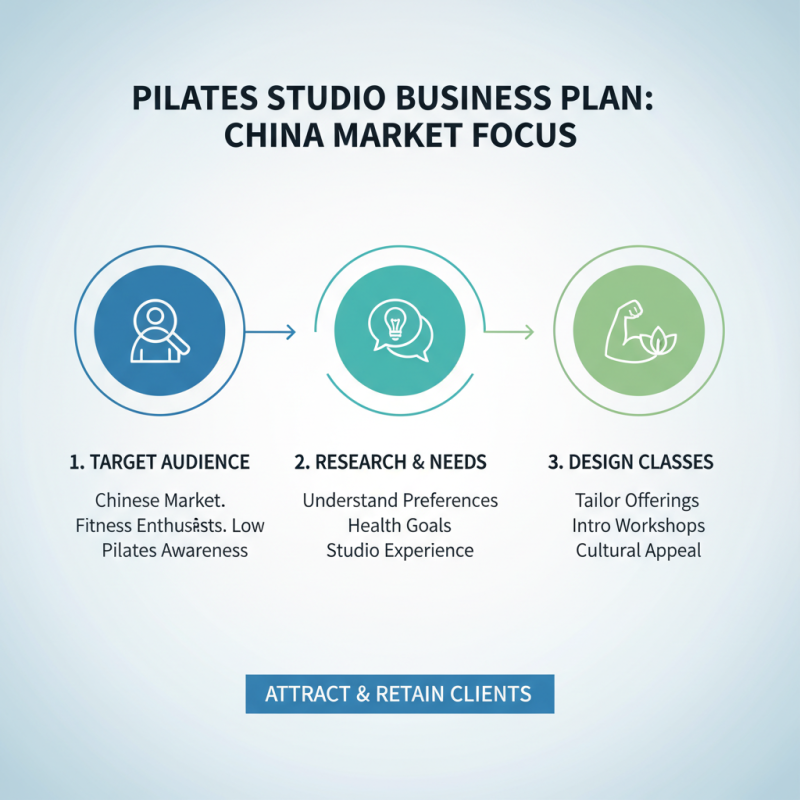
Developing a business plan for a Pilates studio requires careful thought. Start by identifying your target audience. In China, many people are interested in fitness, but they may not know about Pilates. Research their needs and preferences. This will help you design classes that attract clients.
Next, outline your financial projections. Determine your startup costs, including equipment and rent. Ensure you have a budget for marketing. Budget carefully to avoid overspending initially. You might underestimate costs, which can affect your opening. Keep a close eye on your expenses, especially for items like Pilates Reformer Abs equipment.
The location of your studio is crucial. Seek a space with good foot traffic and accessibility. Visibility is key for attracting new clients. Think about how your studio's atmosphere will feel. A welcoming, clean, and professional space can make a big difference. Regularly check your business metrics. You need to be flexible and adjust your strategies based on what works. Clients appreciate refinement and willingness to improve.
Selecting Quality Equipment and Supplies for Reformer Pilates
Selecting quality equipment and supplies for your Reformer Pilates studio is crucial. Quality equipment enhances the overall experience for your clients. Look for reliable manufacturers known for durability and safety standards. Each piece should be tested for stability. Inspect materials carefully; low-quality parts can lead to injuries.
Consider the layout of your studio as well. Space is essential for movement. Compact equipment might fit better in a small area but doesn’t compromise on function. Items should allow for various exercises, catering to diverse fitness levels. Talk to other studio owners for insights. Their experiences can reveal what works and what may not.
Don’t overlook the importance of proper maintenance. Regularly service your equipment to ensure safety and longevity. Encouraging feedback from clients will guide necessary adjustments. Acknowledge that building a successful studio is a learning process. Expect to refine your approach as you grow.
Marketing Strategies to Promote Your Pilates Studio in China
Promoting a Pilates studio in China requires a savvy approach. With the fitness industry expected to reach $7 billion by 2025, it becomes critical to position your studio effectively. Focus on local online platforms. Platforms like WeChat and Douyin can help you target potential clients directly. Share engaging content that highlights the benefits of reformer Pilates. Use eye-catching visuals and client testimonials. This builds trust and interest.
Consider hosting free trial classes. This strategy can attract new clients and create buzz in the community. According to a study by Statista, 70% of consumers prefer experiencing a service before committing. Engage potential clients with workshops that showcase reformer benefits. Collaborate with local influencers in the fitness sector. Their endorsement could boost your visibility significantly.
Measure your marketing efforts. Track which strategies lead to conversions. Techniques that worked well previously may not suit the Chinese market. Be prepared to adjust. Acknowledging mistakes and learning from them can strengthen your business. Establish a reliable feedback loop. Regularly gather client opinions and insights. This demonstrates that you value their input, enhancing client loyalty.
Analyzing the Impact of the Classic Pilates Cadillac in Aluminum on Pilates Studio Revenue: Insights from Industry Reports
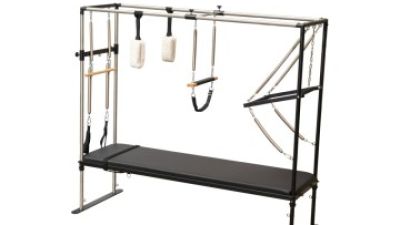
The Pilates industry continues to evolve, with the introduction of innovative equipment playing a crucial role in enhancing studio revenue. One standout example is the classic Pilates Cadillac, now available in lightweight aluminum. This versatility not only contributes to a modern aesthetic but also facilitates varied movement patterns, appealing to a broader clientele. The Cadillac's ability to support a comprehensive range of exercises allows studios to attract both beginners and seasoned practitioners, ultimately driving revenue growth.
Integrating tools like the Reformer LM030, which redefines the trapeze table experience, complements this trend perfectly. Designed as an all-in-one station, it combines a full set of professional springs and straps, enabling a diverse array of workouts. The adaptability of this equipment ensures that it caters to individuals at all fitness levels, accommodating exercises in lying, sitting, and standing positions. Such precision customization allows instructors to tailor programs to meet the specific needs of each client, fostering a unique and personalized experience that can significantly enhance a studio’s reputation and profitability.
Incorporating advanced apparatus not only enriches the overall training experience but also enhances client retention and satisfaction. As studios invest in top-quality equipment, their ability to offer diverse and effective workouts becomes a pivotal element in driving financial success. This strategy highlights the importance of staying ahead in a competitive market by leveraging innovative tools to meet the demands of an evolving clientele.
FAQS
: Research the fitness trends in your area. Understand what potential clients seek. Many may not know about Pilates yet.
Identify all startup costs like rent and equipment. Include marketing in your budget. Avoid underestimating, as that can impact your opening.
Look for a space with high foot traffic and easy access. Visibility is important to attract new clients.
Ensure the space is clean and professional. Consider using warm colors and good lighting to enhance comfort.
Choose quality equipment for safety and durability. Test each piece to ensure stability and reliability during use.
Ensure there is enough space for easy movement. Compact equipment can save space but should not limit functionality.
Schedule regular maintenance to ensure safety. Listen to client feedback for necessary adjustments.
Underestimating costs can hinder success. Ignoring maintenance issues can lead to safety problems and client dissatisfaction.
Track your business metrics closely. Be flexible and willing to change approaches based on client feedback and market trends.
Conclusion
Starting a Reformer Pilates Studio in China requires a thorough understanding of the local market and its dynamics. The first step is to identify target customers, which may include fitness enthusiasts, rehabilitation patients, and individuals seeking a holistic lifestyle. Choosing a strategic location is crucial; it should be accessible and attractive to your target demographic. Additionally, securing the necessary licenses and permits is essential to ensure compliance with local regulations.
A well-crafted business plan will guide your operational strategy and financial projections. It's important to invest in high-quality equipment and supplies for Reformer Pilates to deliver a premium experience. Marketing strategies should utilize both online and offline channels to effectively promote your studio, engage the community, and attract clients. By following these steps, aspiring entrepreneurs can successfully establish a thriving Reformer Pilates Studio in the competitive Chinese fitness landscape.



 1Durch die gruppenweite Einführung und Harmonisierung unseres integrierten Managementsystems (IMS) werden alle bestehenden Unternehmens-, Qualitäts-, Umwelt- und Energiepolitiken durch diese Unternehmenspolitik ersetzt. Der Slogan „Textil hat Zukunft – auch in De